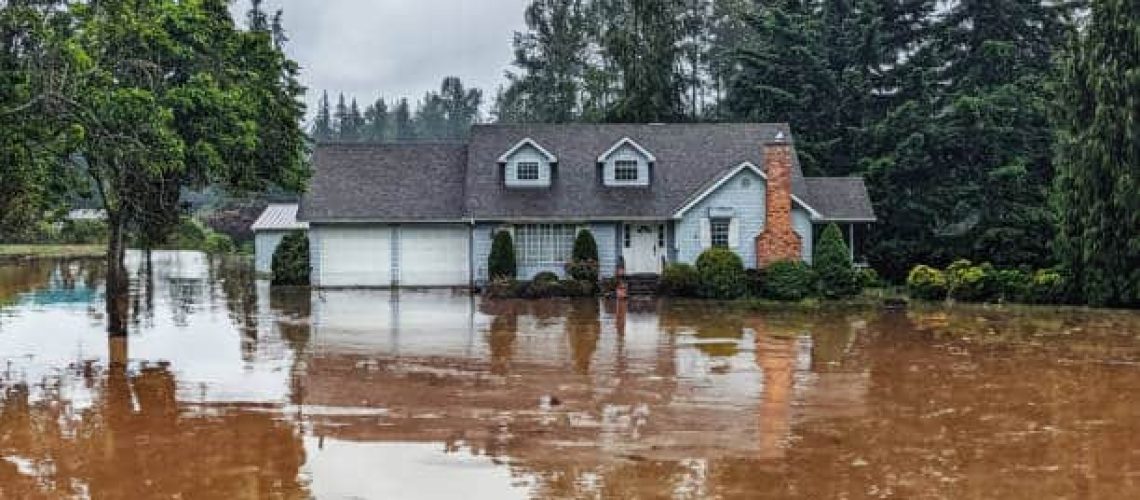
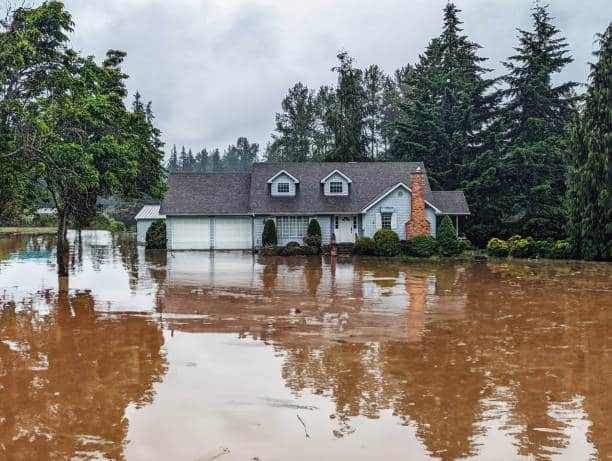
Flooding inside your home can feel overwhelming. However, knowing the right steps can make a huge difference. Acting quickly helps reduce water damage, prevent mold growth, and protect your property.
At 1st Call Disaster Services, we help homeowners every day with water damage restoration, flood cleanup, and emergency water removal. Because of this experience, we understand how stressful these situations can be. That is why we created this guide to help you respond quickly and safely.
If your home has experienced flooding, the following steps will help minimize damage while waiting for professional water damage restoration services.
Key Takeaways
- Turn off electricity and water immediately for safety.
- Document the damage for your insurance claim.
- Remove excess water and wet items if it is safe to do so.
- Begin drying affected areas to reduce mold growth after water damage.
- Contact a professional water damage restoration company as soon as possible.
- Fast action is critical because water damage gets worse over time. The longer water sits, the more structural damage it can cause.
Ensure Safety First After a House Flood
The first step after a house flood is making sure everyone in your home is safe. Floodwater can create serious hazards such as electrical risks, contaminated water, and structural instability.
Before doing anything else, check if the flooding has reached electrical outlets or appliances. If so, immediately turn off the electricity from the main breaker panel. This step helps prevent electrical shocks and further damage.
Next, determine the source of the flooding. For example, the cause may be a burst pipe, heavy rain, sewer backup, or appliance failure. If the water is still flowing, shut off the main water valve to stop the situation from getting worse.
Even though homeowners often want to start cleanup immediately, safety should always come first. If you suspect structural damage, it is best to wait for professional flood cleanup services.
Identify the Source of the Flooding
Understanding what caused the flood can help determine the next steps. Different water sources create different levels of risk and damage.
Floodwater typically falls into three categories:
- Clean water damage from broken pipes or faucets
- Gray water damage from appliances or sump pump failures
- Black water damage from sewage or contaminated flooding
Clean water may seem harmless at first. However, it can quickly become contaminated if left untreated. Meanwhile, gray and black water require immediate professional emergency water removal services.
In addition, identifying the cause helps prevent the problem from happening again. For instance, flooding from storms may require improved drainage or roof repairs. On the other hand, plumbing failures may require pipe replacements.
If you are unsure about the water source, contacting a water damage restoration company in Cincinnati is the safest option.
Document the Damage for Insurance
After ensuring safety, it is important to document the damage. Proper documentation helps when filing a water damage insurance claim.
Start by taking clear photos and videos of all affected areas. Capture wide shots of the rooms as well as close-ups of damaged furniture, flooring, and belongings.
Make sure to document:
- Water levels on walls or furniture
- Damaged electronics or appliances
- Wet carpets and flooring
- Structural damage, such as warped wood or drywall
Additionally, avoid throwing away damaged items immediately. Insurance adjusters may need to inspect them before approving your claim.
While every policy is different, documentation greatly increases the chances of successful claims. If you want to learn more about this process, you may also explore our related article on how water damage claims affect homeowners insurance.
Remove Excess Water If It Is Safe
Once the area is safe, removing standing water should be the next priority. The longer water remains inside your home, the higher the risk of structural damage and mold growth.
Homeowners may remove small amounts of water using basic tools like:
- Wet vacuums
- Mops and buckets
- Towels and absorbent cloths
However, severe flooding requires professional equipment. Restoration companies use industrial pumps, powerful extraction systems, and moisture detection tools.
Professional emergency water removal services can remove water much faster. This reduces damage to floors, drywall, and structural materials.
Additionally, professionals can detect hidden water damage in walls and flooring, which homeowners often miss.
Begin Drying the Affected Areas
Drying your home quickly is critical after flooding. Even small amounts of moisture can lead to mold growth within 24 to 48 hours.
To begin the drying process, open windows and doors if the weather allows. Proper ventilation helps reduce humidity levels and speeds up evaporation.
You can also use:
- Fans
- Dehumidifiers
- Air circulation systems
Remove wet rugs, furniture cushions, and fabrics. These items trap moisture and slow down the drying process.
However, drying a home properly requires specialized equipment. Professional water damage restoration services use industrial dehumidifiers, air movers, and moisture sensors to ensure no hidden moisture remains.
Without proper drying, homeowners may experience hidden mold growth and long-term structural damage.
Prevent Mold Growth After Water Damage
One of the biggest concerns after a flood is mold growth. Mold can begin developing within 24 to 48 hours if moisture remains in walls, flooring, or insulation.
This is why quick action is essential. Even if surfaces appear dry, moisture may still exist behind drywall or beneath flooring.
Common signs of mold after flooding include:
- Musty odors
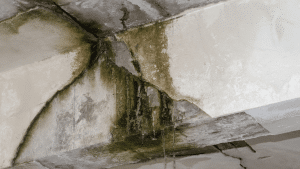
- Dark spots on walls or ceilings
- Increased allergy symptoms
- Warped materials
Professional restoration companies often include mold assessment and mold remediation services during flood recovery.
If mold develops, it can spread quickly throughout the home. Therefore, early detection and removal are essential to protect your indoor air quality.
Avoid Common Flood Cleanup Mistakes
Many homeowners try to handle flooding on their own. While some minor cleanup may be possible, certain mistakes can worsen the situation.
Some of the most common mistakes include:
- Waiting too long to start the cleanup
- Using household fans instead of industrial drying equipment
- Ignoring hidden moisture in walls or subfloors
- Throwing away items before documenting them for insurance
Additionally, DIY restoration can miss structural issues or contaminated water. Professional restoration teams are trained to handle these challenges safely.
For example, our team uses advanced moisture detection equipment, thermal imaging tools, and commercial drying systems to ensure complete restoration.
These tools help detect damage that may not be visible to homeowners.
When to Call a Water Damage Restoration Company
Although homeowners can take initial steps, professional help is often necessary. Flood damage can quickly spread through walls, flooring, and insulation.
You should contact a restoration company if:
- Flooding covers multiple rooms.
- Water has soaked carpets or flooring.
- The water source may be contaminated.
- There are signs of mold growth.
- Structural materials are affected.
Professional water damage restoration services in Cincinnati and Northern Kentucky can respond quickly and prevent further damage.
At 1st Call Disaster Services, we provide:
- 24/7 emergency water removal
- Advanced drying and dehumidification
- Mold remediation services
- Structural restoration and repairs
Because disasters can happen anytime, our team is always ready to respond.
Frequently Asked Questions
What should you do first after a house flood?
The first step after a house flood is ensuring safety. Turn off electricity and water if it is safe to do so. Then identify the source of flooding and document the damage with photos. Acting quickly helps reduce water damage and prevents mold growth.
How quickly should water damage be cleaned up?
Water damage should be addressed within 24 to 48 hours. If water remains longer, mold growth and structural damage may occur. Fast water damage restoration and emergency water removal help prevent costly repairs and protect your home.
Can you stay in your home after a flood?
It depends on the severity of the flooding. Minor flooding may allow you to remain in your home if the area is safe. However, significant water damage, electrical risks, or contaminated water may require temporary relocation until professional flood cleanup is complete.
Does homeowners insurance cover flood or water damage?
Homeowners insurance often covers sudden water damage, such as burst pipes or appliance leaks. However, flooding from natural disasters typically requires separate flood insurance. Always review your policy and document damage before filing a claim.
When should you call a water damage restoration company?
You should call a water damage restoration company if flooding affects multiple rooms, carpets, walls, or structural materials. Professionals use specialized equipment for water extraction, drying, and mold prevention, ensuring your home is restored safely and efficiently.
Call 1st Call Disaster Services for Immediate Flood Help
Flood damage can escalate quickly. However, acting fast can protect your home and reduce costly repairs. Knowing what to do immediately after a house flood helps homeowners stay calm and make the right decisions.
If your home has experienced flooding, professional restoration services can make the recovery process much easier.
At 1st Call Disaster Services, we specialize in water damage restoration, emergency flood cleanup, and mold remediation throughout Cincinnati and Northern Kentucky.
Our experienced team uses advanced equipment to remove water, dry affected areas, and restore your property quickly.
If you are dealing with flooding or water damage, contact 1st Call Disaster Services today for fast and reliable restoration help.