Water damage is more than just a surface problem. While many homeowners focus on visible issues, hidden moisture can cause serious long-term damage. Over time, even small leaks can weaken your home’s structure.
At 1st Call Disaster Services, we have seen how untreated water damage can affect foundations, walls, and ceilings. Because of this, understanding the risks is essential. In this guide, we explain how water damage impacts your home and what you should do to prevent structural issues.
Key Takeaways
- Yes, water damage can cause structural damage if left untreated.
- Moisture can weaken wood, drywall, and even your home’s foundation.
- Early signs include sagging ceilings, warped floors, and cracks.
- Mold growth often accompanies structural water damage.
- Professional water damage restoration helps prevent long-term issues.
How Water Damage Affects the Structure of a Home
Water damage does not always show immediate effects. However, over time, it can slowly weaken your home’s structural integrity. This happens because building materials absorb moisture and begin to deteriorate.
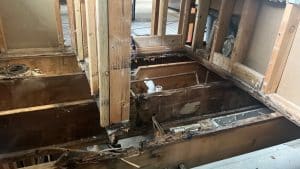
For example, wood framing can rot when exposed to water for extended periods. Similarly, drywall becomes soft and fragile. In addition, metal components may corrode, which reduces overall strength.
Because of these risks, water damage structural damage is a serious concern. Even small leaks can spread moisture behind walls and under floors. As a result, the damage often goes unnoticed until it becomes severe.
If you want to understand how untreated damage worsens, you can explore our related guide on What happens when water damage is left untreated?
Can Water Damage Weaken a House Structure?
Yes, water damage can weaken a house’s structure significantly. While it may start as a minor issue, it can escalate quickly if ignored. Moisture intrusion affects key structural components such as beams, subfloors, and support walls.
Over time, water can cause wood rot, which reduces the strength of load-bearing elements. In addition, water-soaked materials lose their ability to support weight. This can lead to sagging floors or even collapse in extreme cases.
Furthermore, does water damage affect foundation stability? The answer is yes. Water can seep into the foundation and cause cracks or shifting. This is especially common after flooding or prolonged leaks.
Therefore, early intervention is critical. Addressing water damage quickly helps prevent serious structural repairs.
Signs of Structural Damage from Water Leaks
Recognizing the signs early can help prevent costly repairs. While some damage is visible, other signs may be subtle. That is why homeowners should stay alert after any water-related issue.
Common signs of structural damage from water leaks include:
- Sagging ceilings or warped walls
- Cracks in the foundation or walls
- Soft or spongy flooring
- Peeling paint or bubbling drywall
- Musty odors indicate moisture buildup
Additionally, hidden issues such as subfloor water damage or moisture intrusion behind walls can go unnoticed. These problems often require professional inspection.
If you suspect hidden damage, check out our guide on Hidden Water Damage in Homes to learn more.
How Long Does It Take for Water Damage to Become Structural?
Water damage can begin affecting your home faster than most people expect. In many cases, damage starts within hours. However, structural issues typically develop over days or weeks.
Within 24 to 48 hours, moisture can lead to mold growth and material deterioration. After several days, wood begins to swell and weaken. Over time, this can lead to significant structural instability.
The longer water sits, the worse the damage becomes. That is why emergency water damage repair is essential. Quick action can prevent long-term problems and reduce repair costs.
In fact, this is closely related to how water damage gets worse over time, which many homeowners underestimate.
Which Parts of Your Home Are Most at Risk?
Certain areas of your home are more vulnerable to water damage than others. Understanding these areas can help you take preventive action.
The most affected areas include:
- Foundations – prone to cracks and shifting
- Load-bearing walls – weakened by moisture and rot
- Ceilings – susceptible to sagging and collapse
- Subfloors – can become soft and unstable
- Wood framing – highly vulnerable to rot
In addition, areas like basements are especially at risk. This is why many homeowners deal with issues like basement flooding and structural damage.
Because of these risks, professional water damage inspection services are highly recommended after any flooding event.
Can Water Damage Collapse a Ceiling or Walls?
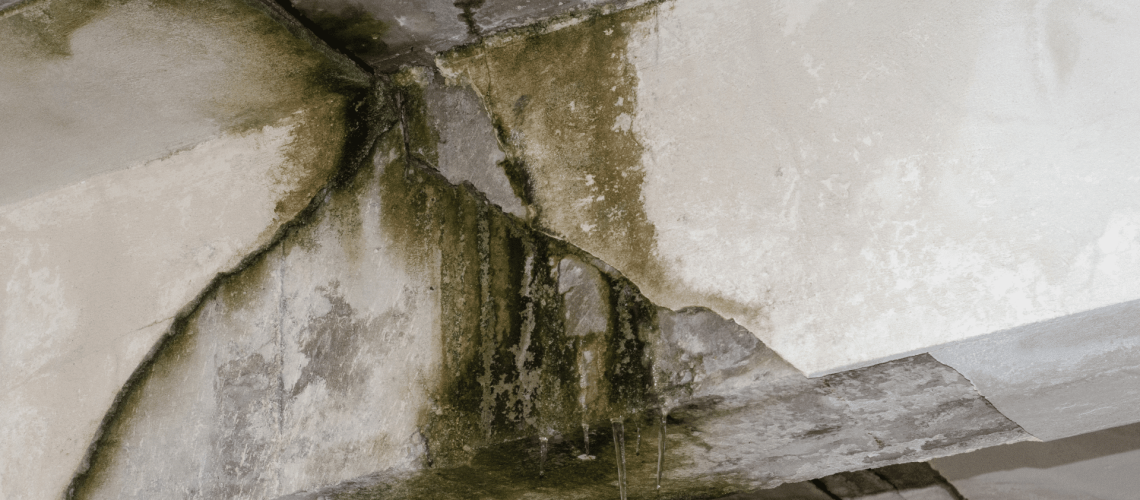
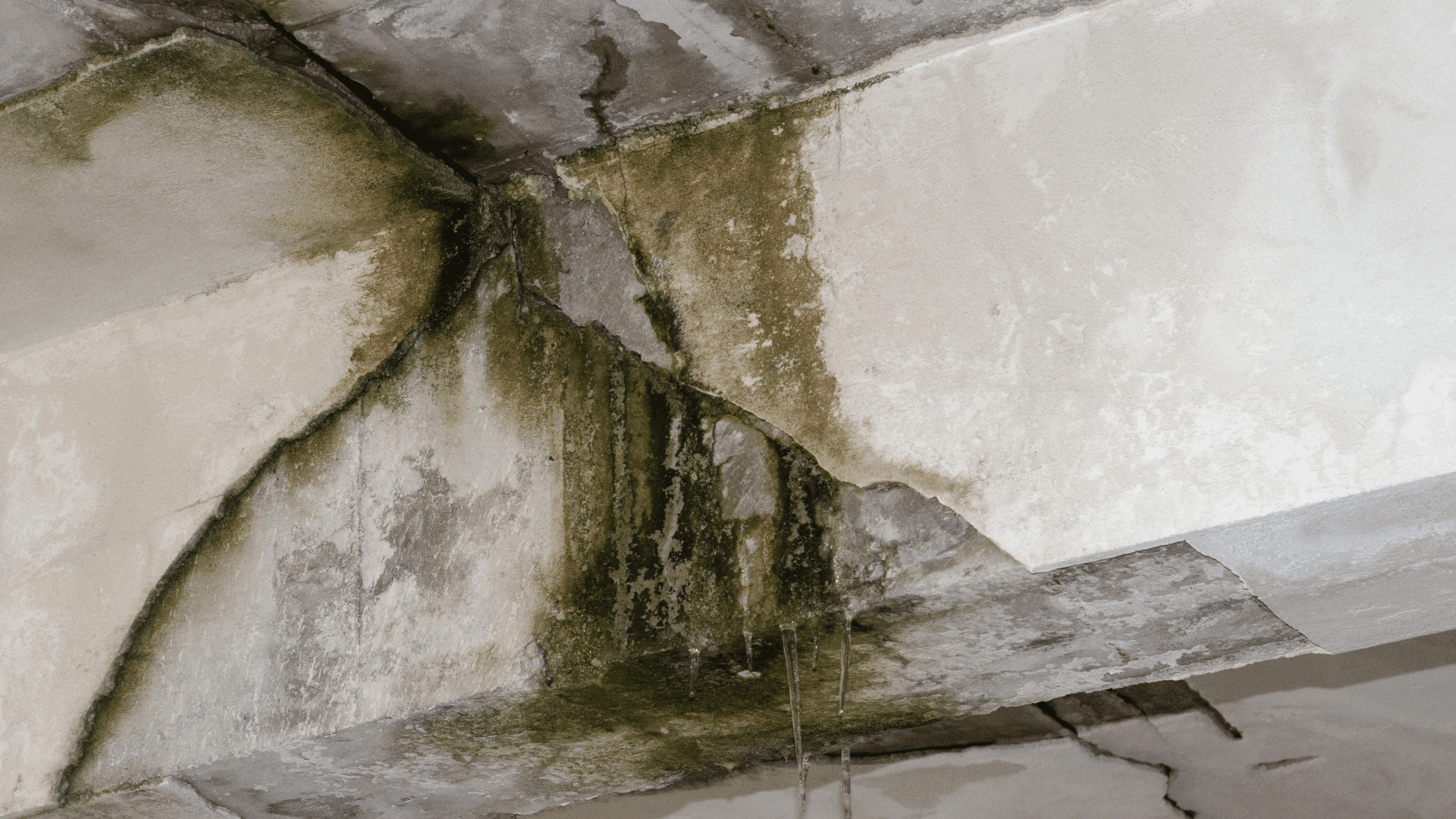
Yes, in severe cases, water damage can lead to collapse. While this may sound extreme, it happens more often than people think. When materials absorb too much water, they lose strength.
For example, a ceiling sagging from water leaks is a warning sign. If ignored, the ceiling can eventually collapse. Similarly, weakened walls may no longer support weight properly.
Moreover, does water damage affect load-bearing walls? Absolutely. If these walls weaken, it can compromise the entire structure of your home.
Because of these dangers, it is important to act quickly. Professional restoration can stabilize affected areas and prevent further damage.
The Role of Mold in Structural Damage
Mold is often a hidden consequence of water damage. While many people focus on visible damage, mold can worsen structural problems. It thrives in damp environments and spreads quickly.
Mold can break down organic materials such as wood and drywall. Over time, this weakens the structure of your home. In addition, mold affects indoor air quality and can cause health issues.
Because of this, mold and structural damage often go hand in hand; professional mold remediation services are essential to restore your home fully.
If left untreated, mold can spread behind walls and under flooring. This makes the damage harder and more expensive to repair.
When Should You Call a Water Damage Restoration Company?
Not all water damage requires professional help. However, structural concerns should never be ignored. Knowing when to call experts can save your home from serious damage.
You should contact a water damage restoration company if:
- Water has affected multiple areas
- You notice structural changes like sagging or cracks
- There is visible mold growth
- The damage has been present for more than 24 hours
At 1st Call Disaster Services, we provide 24/7 emergency water damage restoration in Cincinnati and Northern Kentucky. Our team uses advanced tools to detect moisture, dry affected areas, and restore structural integrity.
Because we specialize in structural water damage repair, we ensure your home is safe and secure.
Protect Your Home from Structural Water Damage
Preventing water damage is always better than repairing it. While accidents can happen, there are steps you can take to reduce risks.
Regular maintenance is key. Inspect your plumbing, roof, and foundation for leaks. In addition, ensure proper drainage around your home to prevent water buildup.
Also, consider scheduling routine inspections. Professional inspections can identify hidden moisture issues before they become serious.
By taking these steps, you can protect your home’s structural integrity and avoid costly repairs.
Get Expert Water Damage Restoration Today
Water damage can quickly turn into a serious structural problem. However, with fast action and professional help, you can protect your home and prevent long-term damage.
Frequently Asked Questions
1. Can water damage cause structural damage to a home?
Yes, water damage can cause structural damage if left untreated. Moisture weakens wood, drywall, and foundations over time. This can lead to rot, cracks, and instability. Quick water damage restoration helps prevent long-term structural issues.
2. How long does it take for water damage to affect a home’s structure?
Water damage can begin affecting a home within 24 to 48 hours. Structural damage may develop over days or weeks, depending on severity. Prolonged moisture exposure weakens materials and increases the risk of mold and structural failure.
3. What are the signs of structural damage from water?
Common signs include sagging ceilings, warped floors, cracks in walls, and soft drywall. Musty odors and visible mold may also indicate hidden structural damage. These signs suggest moisture has affected the home’s integrity.
4. Can water damage weaken a house's foundation?
Yes, water damage can weaken a house's foundation. Water can seep into concrete, causing cracks, shifting, and erosion. Over time, this affects the stability of the entire structure, especially if drainage issues are not addressed.
5. When should you call a water damage restoration company?
You should call a professional if water damage affects walls, floors, or structural components. Immediate help is needed if there are signs of mold, sagging, or cracks. Restoration experts use specialized equipment to prevent further damage and restore safety.
Contact 1st Call Disaster Services for Immediate Help.
At 1st Call Disaster Services, we specialize in water damage restoration, structural repair, and mold remediation. Our experienced team is available 24/7 to respond to emergencies.
If you suspect structural damage from water, do not wait. Contact us today for fast, reliable, and professional restoration services in Cincinnati and Northern Kentucky.