Winter can be tough on your property, and one of the most common cold-weather problems we see at 1st Call Disaster Services is frozen pipes. When temperatures drop, water inside your plumbing can freeze, expand, and ultimately cause the pipe to burst, leading to serious water damage that’s expensive and stressful to clean up.
The good news? You can absolutely take steps now to avoid this nightmare scenario. With a little preparation, some smart insulation, and awareness of the warning signs, you can protect your home or business before the freeze sets in.
Let’s walk through how to prepare for frozen pipe season so you can stay safe, warm, and dry all winter long.
Key Takeaways
- Insulate pipes in cold or unheated areas to prevent freezing.
- Seal drafts around windows, doors, and entry points where cold air can reach pipes.
- Keep your home heated to at least 55°F, even when you’re away.
- During extreme cold, let faucets drip and open cabinet doors to improve airflow.
- Disconnect outdoor hoses and winterize sprinkler systems.
- Know the signs of a frozen pipe: reduced water flow, frost, or strange sounds.
- Shut off your main water valve immediately if a pipe bursts.
- Call a professional like 1st Call Disaster Services for fast cleanup and restoration.
Why Frozen Pipes Are a Big Deal
When water freezes inside a pipe, it expands. That pressure builds up fast, and it doesn’t take much for the pipe to crack or completely burst. Once it does, all that water can flood your space in a matter of minutes, damaging walls, floors, insulation, and even your electrical systems.
What makes it worse is that most frozen pipes don’t burst while they’re frozen. It’s when the ice begins to thaw and water starts flowing again that the damage often reveals itself. By then, it might already be too late to avoid a major cleanup.
That’s why we always say: prevention is far easier (and cheaper!) than repair.
Which Pipes Are Most Vulnerable?
Certain pipes are more at risk than others, especially those exposed to colder air or lacking insulation. This includes:
- Pipes in unheated areas like attics, crawlspaces, garages, and basements
- Plumbing that runs along exterior walls (even inside the house)
- Outdoor faucets and hose bibs
- Pipes under kitchen and bathroom sinks
Knowing where your vulnerable areas are is the first step in defending them.
How to Get Your Property Winter-Ready
At 1st Call Disaster Services, we always recommend starting early. Don’t wait until the first freeze warning to prep. Here are the most effective ways to safeguard your plumbing system this winter:
Start with Insulation
Insulation is one of the easiest and most effective defenses against freezing temperatures. Foam pipe sleeves, heat tape, or even towels can work in a pinch to help maintain warmth around exposed pipes. Focus especially on those in garages, attics, or crawlspaces. For extra protection, consider insulating the surrounding walls or ceilings if they tend to get especially cold.
Don’t Ignore Drafts
Cold air creeping in from the outside can freeze pipes quicker than you think. Look for air leaks around windows, doors, vents, and especially where pipes enter or exit the building. A little caulk or spray foam can go a long way in keeping cold air out and warm air in.
Keep the Heat On
Even if you’re heading out of town, never turn the thermostat below 55°F. A steady indoor temperature can make a huge difference. During especially cold nights, it also helps to open cabinets beneath sinks to let warm air reach the pipes.
When temps are really dipping into dangerous territory, let a slow drip run from faucets connected to vulnerable pipes. The slight movement of water helps prevent freezing.
Outdoor Prep Is Just as Important
Don’t forget about the exterior of your home. Before winter hits:
- Disconnect and drain all outdoor hoses
- Shut off and drain outdoor faucets, if your system allows
- Cover hose bibs with insulated faucet covers
If you have an irrigation system, have it professionally winterized. Even buried sprinkler lines can freeze and crack when they are not properly drained.
Know the Warning Signs
Frozen pipes aren’t always obvious at first. Watch for the following signs, especially during cold snaps:
- No water coming from a faucet
- Frost on the exterior of exposed pipes
- Gurgling or clanging sounds in the plumbing
- Damp patches on walls or ceilings
- A strange odor coming from a drain
If you suspect a pipe is frozen, turn off your main water supply immediately and try gently warming the area using a space heater or hairdryer. Never use an open flame. If you’re not sure what to do, don’t hesitate to call in the professionals.
What to Do If a Pipe Bursts
Despite your best efforts, sometimes things still go wrong. If a pipe bursts:
- Shut off the main water supply as quickly as possible.
- Turn off electricity in affected areas, especially if water is near outlets or wiring.
- Call 1st Call Disaster Services immediately. A quick response is essential.
- Begin drying what you can safely using towels, fans, or wet vacs.
- Document the damage for insurance purposes with photos and notes.
The faster you respond, the more you can limit the damage and the easier the restoration process will be.
How We Help at 1st Call Disaster Services
Frozen pipe damage can be overwhelming, but you don’t have to handle it alone. Our experienced restoration team is on call 24/7 to respond to burst pipe emergencies, and we’re fully equipped to take care of everything from water removal to full structural drying and repairs.
We handle:
- Emergency water extraction
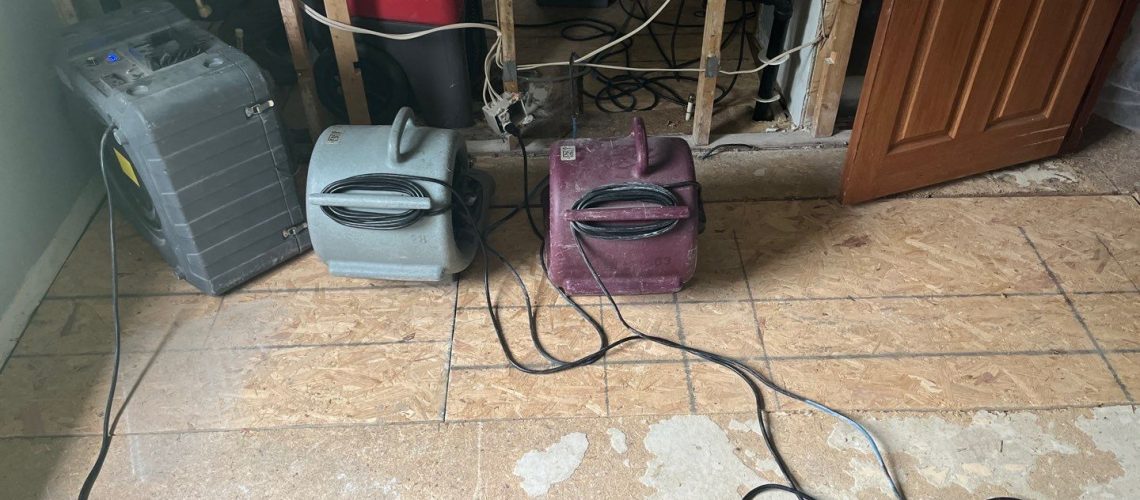
- Drying and dehumidification
- Mold prevention and remediation
- Reconstruction and repairs
- Coordination with your insurance provider
We’ll walk you through every step and make sure your home or business is restored quickly and correctly.
Winter Is Coming. Let’s Get You Ready
Frozen pipes aren’t just a silly little inconvenience. They can cause serious damage and major disruption to your life. But with a few preventative steps, you can protect your property and avoid unnecessary stress this season.
If you’re not sure where to start, or if you’ve already had issues in the past, we’re here to help. Our team can inspect your home or building, offer expert advice on pipe insulation and winterization, and be on standby if you ever need emergency water damage support.
Don’t wait for a cold snap to find out your pipes weren’t ready. Call 1st Call Disaster Services today to learn more, or if you need our assistance with frozen pipes water damage restoration.